|
Ritchie Blackmore Rainbow Rising - 50th Anniversary 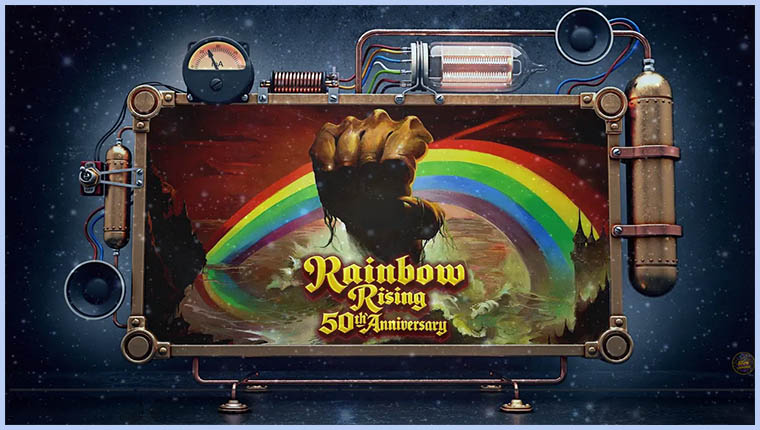 On Sunday May 17th, it's going to be exactly half of century since the release of one of the greatest rock albums, Rainbow's second record "Rising". As much as Deep Purple crafted the fast driven heavy rock in 1970, "Rising" raise the bar even higher. Ritchie Blackmore single-handedly created a whole new sub genre, later called neo-classical rock. Fusing heavy British riffs with the medieval and mystical connotations, the album paved a way for many world renowned bands who praise the album as one of the main influence in their career. The album also debuted now the iconic Mark 2 lineup which included Ronnie James Dio as the vocalist and main lyricist, Cozy Powell on drums, Jimmy Bain on bass and Tony Carey on keyboards. In honour of the record's celebration we share a compilation of archived interviews from each original members of said Mark 2 lineup, talking about the process of recording the timeless masterpiece that is "Rainbow Rising". 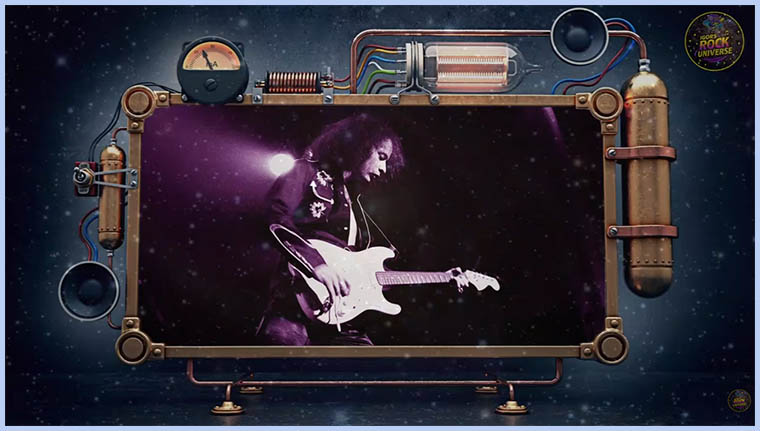 Ritchie Blackmore: It's very exciting. We had Ronnie Dio, you know, he could come around and write a tune like that. I'd give him an idea, put the top line to it. Everything was fresh. You know, he had that ridiculous voice. We held auditions to put Rainbow together. And the 13th drummer was Cozy Powell. And he was the only one that could play a shuffle. What I made the drummers do was play a shuffle for 15 minutes. That's bump ba ba bump ba ba bump ba ba bump. And they had to keep that up steady for 15 minutes, which you got to have a lot of stamina. And they couldn't do it. Most of the American drummers came in and played like "Hotel California", that kind of stuff. And I was looking for some fire, you know. And then Cozy came in and he did it. All right, you're in if you want to be, you know. Is it okay? Yeah, I'll think about it. I think I want to be in. Cozy was not an easy guy. You couldn't push him around. He knew what he wanted, and who he was and he was pretty sure of himself, so he should have been because he was a great drummer. And he'd had lots of hits on his own in England, you know, been number one as a drummer, which is unheard of. But people look at Rainbow Rising as sort of like one of your finest moments. Any particular reason why? Ritchie Blackmore: Not particularly. There was a lot of energy going. We had a lot of drive, although, you know, listening back and at the time, there's no bass on the record, for a start. Maybe we will I'm thinking of redoing a lot of tracks. And that Rainbow Rising Stargazer will be one of them. I'd like to do that again with a proper cuz although you know, of course Ronnie sang great. The backing, there's no bass. I think there's like 1 dB of bass. This is ridiculous. It's all top. So, that kind of bugs me hearing it back. But it was kind of a radio very trebly, you know? I really thought that song was great. And a couple of the others, I can't remember what was on it, Light in the Black, few others. We had a good time doing it, and it was quick. It was 3 weeks of the Arabella House, where Queen recorded, and a lot of other bands, the studio. We were starting to kind of slow down. 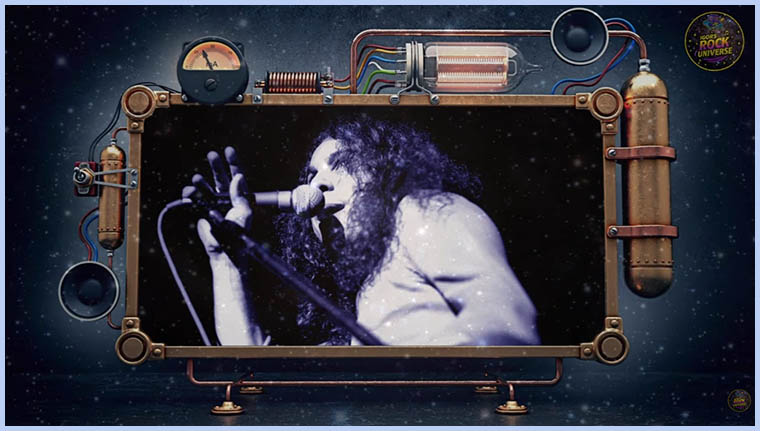 Ronnie James Dio: As I said, the first LP was just an extension of Ritchie's career with Deep Purple on his solo project. When he did decide that he wanted to make the move from Purple to a permanent band being Rainbow, we both felt that we needed a different kind of character. It wasn't a matter of talent. The people who played on the first album played flawlessly, I thought. Very, very well. We just felt that we needed a whole new start again. So, that's what we did. We went out for we made Rainbow Rising really our first album as Rainbow. And then again, the first LP was just to introduce Ritchie as a solo artist kind of thing. Rainbow Rising. Tell me about that period. Ronnie James Dio: Well, Rainbow Rising, once again, was an album that luckily the band had played together because the original band, my guys, were all gone. So, we had a chance not to know each other through you know, via touring, which we did. And then it came time to write that album. So, the writing that album was somewhat the same process as we did the first time, but not all of it. In writing the album the very first Rainbow album, just called Ritchie Blackmore's Rainbow, Ritchie and I kind of did most of that at together at different places in LA and in England and other places, and did it really together that way. We started Rainbow Rising with more of a band attitude, a band effort where the band was there to play all the time and you know, it worked, but I found it a lot more difficult than to do it the old way we did it which was, "What do you got, Ritchie? What do you got, Ronnie? Well, let's try putting this together." Well, you don't have those other minds on it. And it certainly worked for me the first time, but it worked the second time, too, although there was not really that much more interplay going on. Jimmy didn't write anything. Cozy got some writing credits, certainly because he deserved them because he'd been there the whole time. But as far as being the writer on it, it was all done by the vocalist and the guitar player, which has always been kind of my way of doing things anyway, from Ritchie and I to myself and Rock Feinstein from Elf and with the Vivian Campbell etc. etc. and certainly with Tony. That's always been the way that I preferred it. But that's why it was a lot different. And we did the album in the same place we did the first one. We went to Munich and did the album there again, which is Ritchie's favorite place and it was cool because I love Munich and we knew so many people there and still do. So, it was great with Martin again in a great studio called Musicland, which is no longer there, owned by Giorgio Moroder. Giorgio Moroder owned the studio when we were doing it at the time. So, we did it there and it was fun to do. Once again, it was a fun album to do. It was another one of our journeys that was leading Rainbow to its inevitable fall over the cliff. 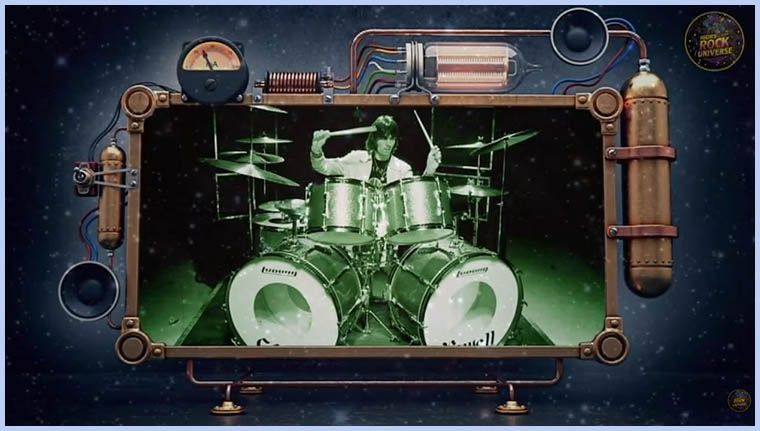 Cozy Powell: Rainbow when it started it was very doomy and right songs were written about 16th since 16th century and castles and demons and wizards and all this sort of stuff. And the air of the atmosphere within the band because of Ritchie being such a moody character or making people out that he's a moody character was not the easiest working relationship I've ever had to go through. So, I don't think I'd want to go through that anything like that again. It was depressing to say the least. But, I think a lot of good music came out of Rainbow, although I think nowadays the band is a bit of a joke. It's a bit of a parody of itself in a way. I don't know. I suppose it's unfair for me to comment, but I think the music is not as valid as it was say 5 years ago. 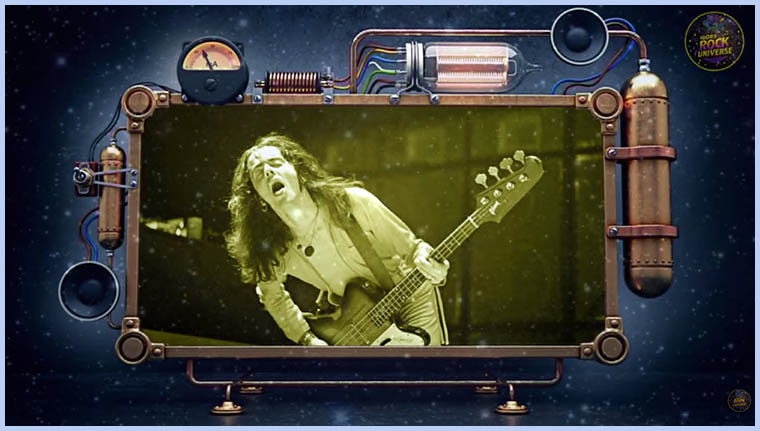 What do you think is important about that Rainbow Rising record in that development of the music? Jimmy Bain: Well, it only had six songs and six tracks on the record. It would seem like not too many songs, but from judging from the popularity of the thing it seems to still have stood the test of time and everybody likes it to this day. So, I think it was just exactly what people were looking for at the time, it was another thing the timing was perfect for the band, too. We just kind of hit it right in the head as far as timing went. As far as the style went in the music and the whole vibe of the band, and we had Ronnie's voice as well, which was not too shabby. What made the record heavy? Jimmy Bain: I think it was the material, they were really hardcore songs and when they were written they seemed to have the edge and when we recorded them, they had that just that nastiness that, really good metal should have. I think it has that edge to it that everybody's playing flat out, you got that in the recording and of course when the band played live as well. I know everyone's got Rainbow Rising t-shirts on now. Jimmy Bain: Sure. Sure. I wish I could get one. That'd be cool. And the heaviness of that Rainbow Rising record, was it a conscious decision to do something that was heavy? Were you guys really interested in doing something that was kind of going to really up the ante? Jimmy Bain: I'm not sure. I think it just turned out that with the songs, the songs just seemed to have that edge to them. The Stargazer and Light in the Black just were heavier than anything that I'd heard up until that point. So, I was I thought it just seemed to me be right at the time. I'm not sure if it was a conscious thing or whether it just happened that way, but we did get it in the performance. If there was any lightness to the songs, they lost the lightness when we went in studio and recorded them and it's just.... it went bye-bye. And tell me about Ronnie's voice on that Rainbow Rising record. What was Ronnie bringing to the sound of the band? So much. I mean, the guy I'd never seen anybody perform like that at any time in the studio before that, it was just phenomenal. He just took it to another level or two or three levels higher than anybody else, and with the heaviness of the bass, drums, guitar and keyboards his voice just slotted right on top. It couldn't get any heavier, it was like okay, we cut it. Presumably he had to really belt to get himself heard over. Right, but he had the pipes to just sit right on top of that heaviness and it didn't matter how heavy you got with the rhythm section or the guitar or whatever, his voice just slotted right on top. It was great. 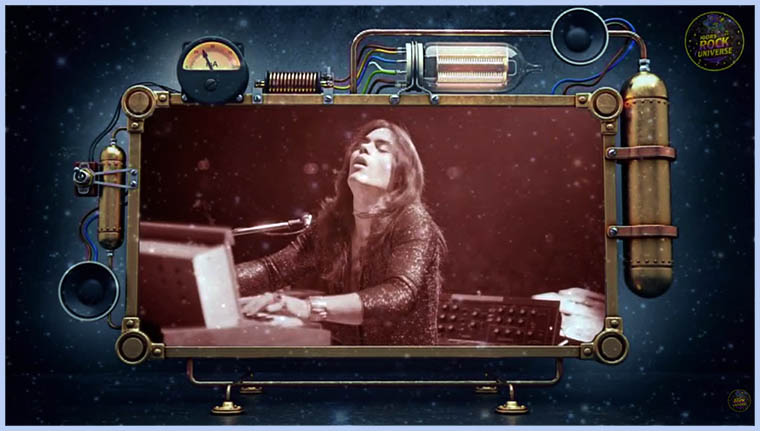 Rainbow Rising, one of the greatest albums of all time, still revered today. Tony Carey: It's still surprises me. I mean that amazes me the respect that album gets 50 years later, nearly 50 years later, is astonishing to me and that's great. Fantastic! And in terms of the record itself, was it the sort of thing that Ritchie just came and said, "This is what we're doing?" Or was it a band process? Or how did that kind of thing work for that right that record? Tony Carey: He never told me what to play, he never told Cozy what to play. I think he sat down with Ronnie, I wasn't there. He did... Ronnie the vocals, he did with just Ronnie and Martin Birch but my keyboard parts it was just me and Martin Birch. Ritchie fucked off and go somewhere else and come back and either like it or not like it. And he liked it, it was no like dictatorial anything and I was on we were on the same page. Everybody Jimmy was kicking ass on the bass, Cozy was a monster, Ronnie was Ronnie, Ritchie was Ritchie, at the top of his game. I was keeping up, nobody ever told me I wasn't and it was like rolling off a log. It was musically speaking getting the music part done was, like I said we made it in 10 minutes. It was no sweat, I heard later that they been discussion about and there always is you know, about the vocal melodies and exactly that. They probably spent the most time getting the vocals right but the bottom tracks would do three a day and I come in and do keyboards he wanted. An intro for 'Tarot woman', I did that in two hours with Martin. And he wanted a solo for 'A Light In The Black'. I did that in two hours with Martin, that was one time he had made a suggestion I'd played it in a high kind of your usual Mini Moog register which is like up at the top register. He said "How about if you do something like a twelve string, something in a lower octave? I said that's great idea so I did and he came back he said "Yeah, like that basically, good to go". So no sweat, the music was not the problem, there were other problems but the music was not the problem. "Tarot woman" was the opening track. Did they asked you to write something or was it just off the top of your head? Tony Carey: Free form of top of my head, the hardest part was I played this intro, Rainbow was all about improvisation. If you've heard the live albums, "On Stage" of course but then there's 80 variations of live recordings from that tour. I never played the same thing twice and I still haven't to this day played the same thing twice in my life I don't learn parts and the tricky bit was getting something that I like. We didn't work like these days you work with a click track or some kind of metronome or a drummer or something. It was just free form, loose time, the tricky part was doubling it because it was two Mini Moogs and that's what took the most time. Getting the first Mini Moog with the little melody and that was easy and then Martin Birch said why don't we do a little... And I said I know what you want. Putting the second one and that took the most time because there was no pattern. I just had to like read my own mind and get it but we got it. It was about two hours. You were in the band for I think about three years, weren't you? The music wasn't the problem but the other side of it, you're a bit younger than the rest of the guys. How was that dynamic? Tony Carey: It wasn't really much of a dynamic as long as we were playing everything was cool. If we weren't playing I didn't really have much to say to anybody or except for Jimmy. Jimmy and me were buddies and Ronnie and I got along really well but we're like the Americans and this band was very much Americans against the branch as it were. Cozy and Ritchie were an ultra British, Ronnie is from upstate New York and I knew Ronnie before I met him. This is like American guy and he's older than me but still he like an uncle so we got along fine. The dynamic in the band... I mean show up do your job. I got fired a couple times and then hired back and the third time I had enough of the nonsense. I just left in the middle of the "Long Live Rock'n'Roll" album, there was some shenanigans. I just hit the road in the middle of the night and got out of there. © Igor's Rock Universe, YouTube - April 14, 2026  |